

MICHAEL FLEISCHER (1915 – 1991)
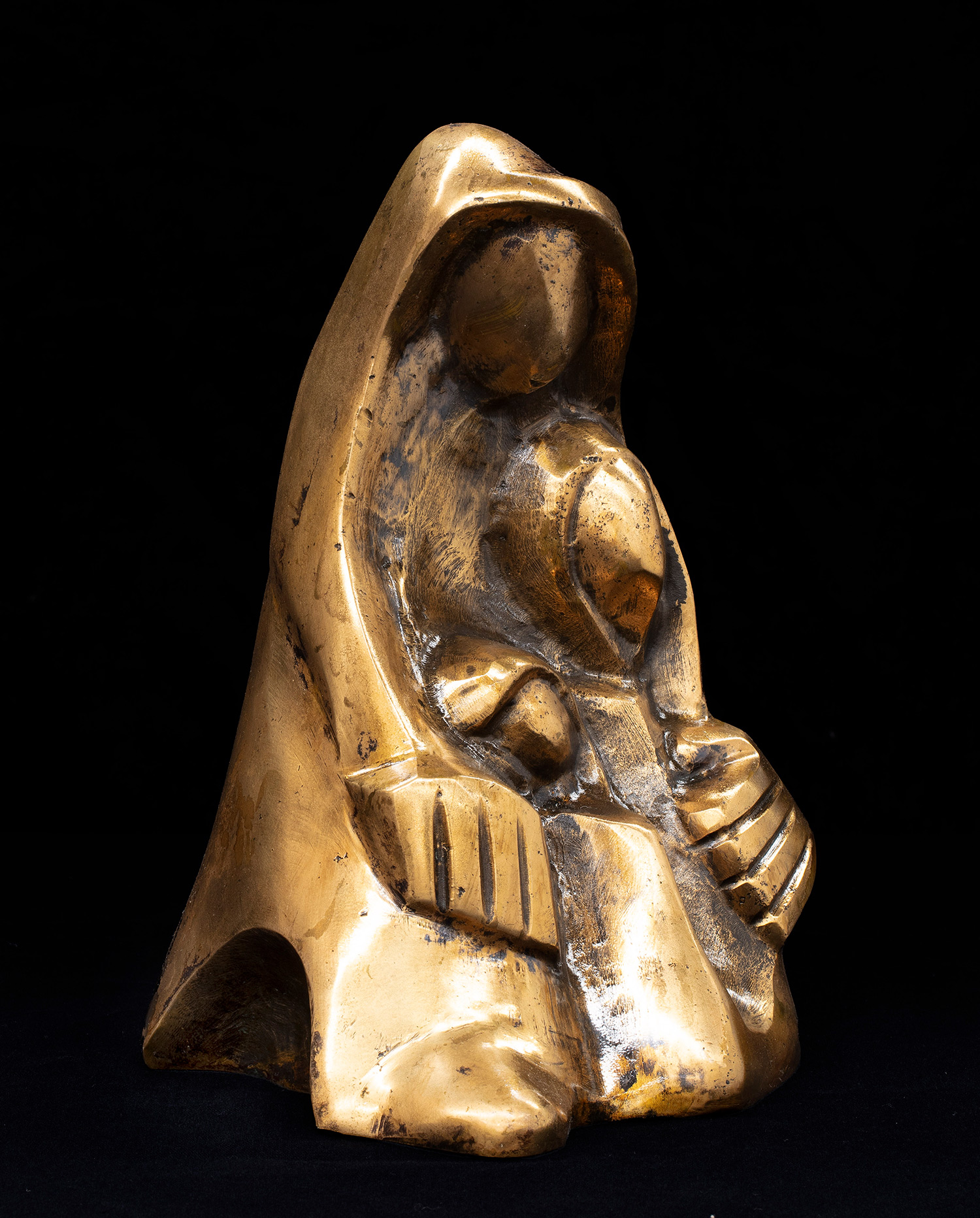
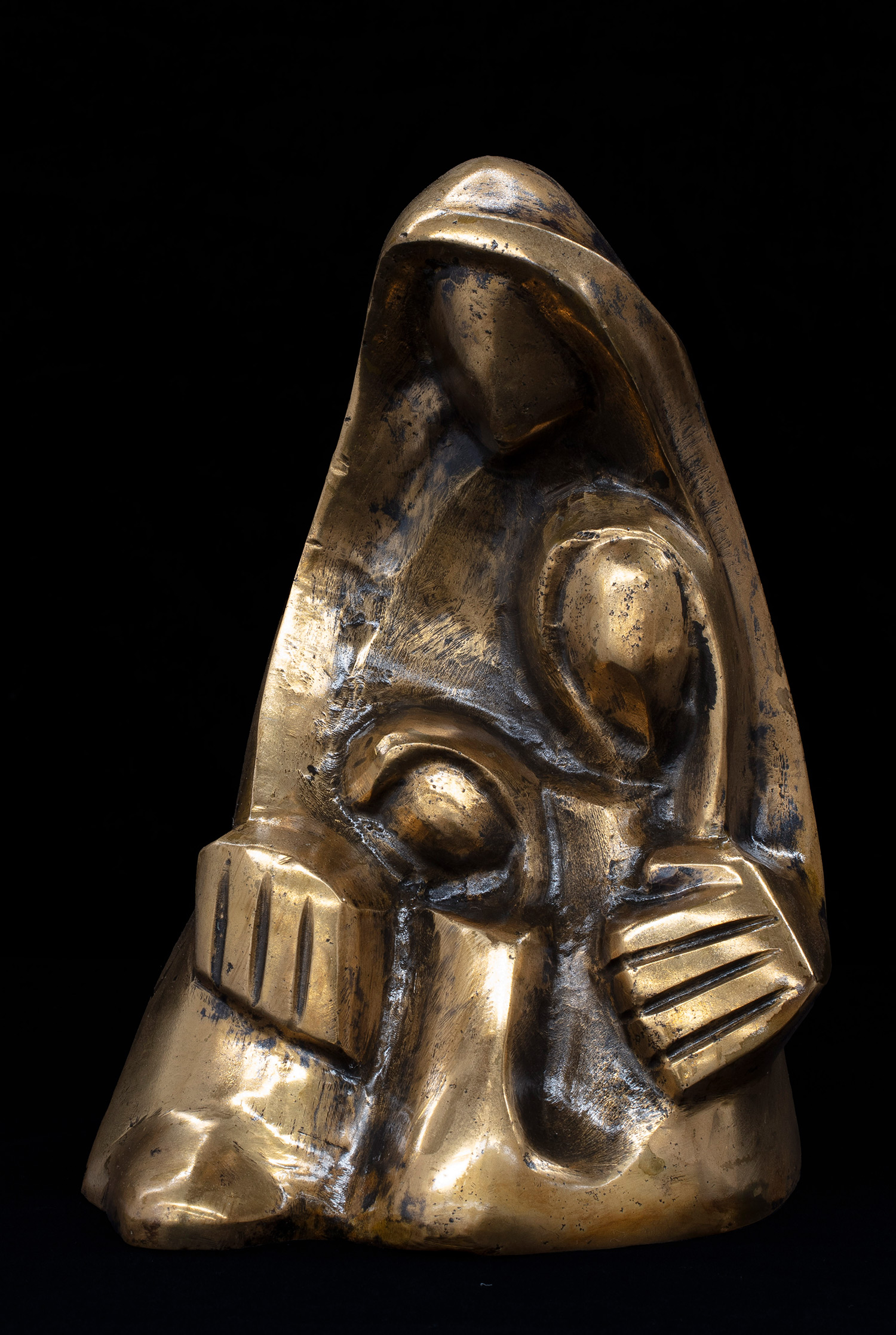
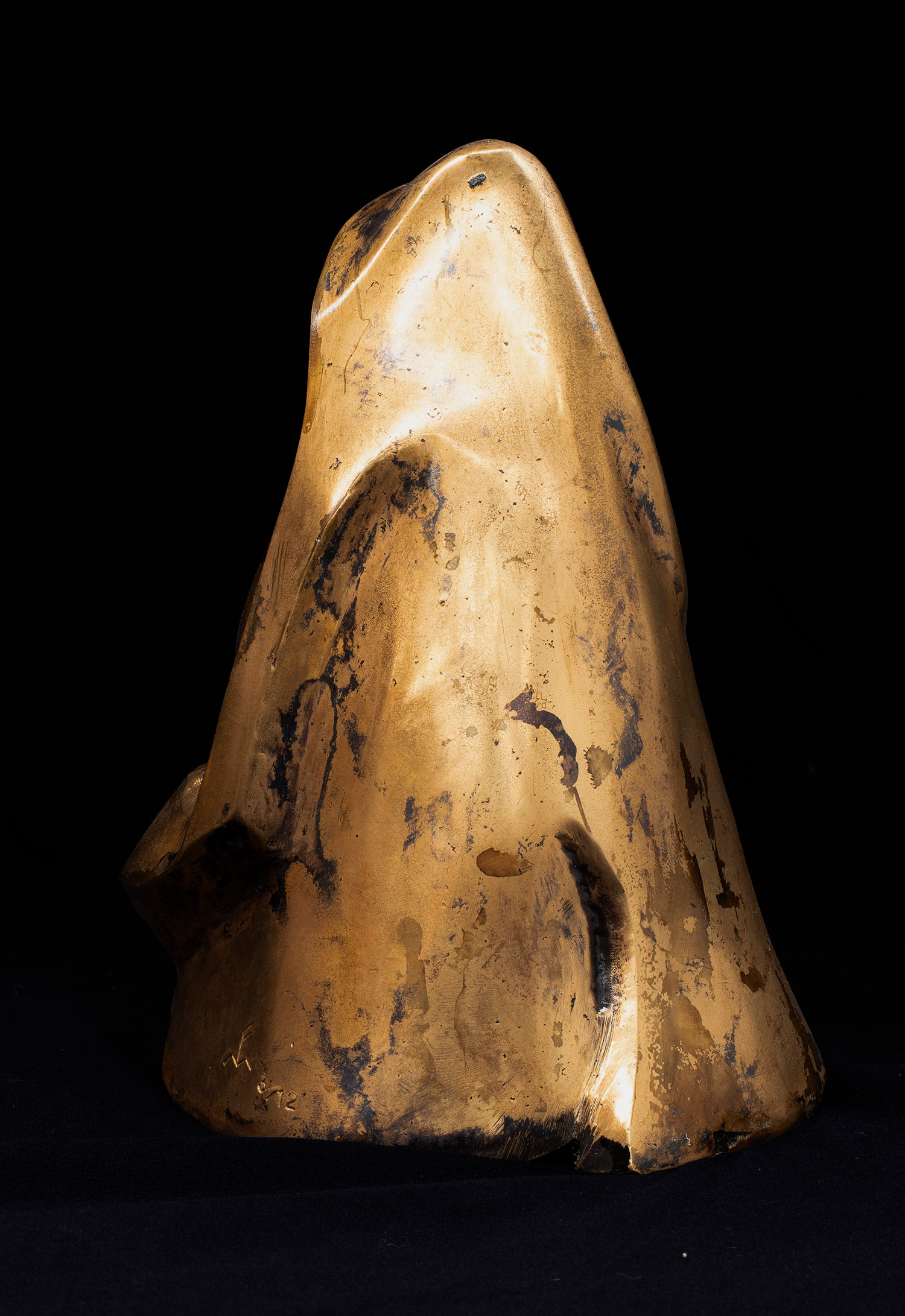
Mother With Child
year unknown
bronze
size unknown
BIOGRAPHY
Born 1915 in Cluj-Napoca (Klausenburg), Transylvania, Romania, Michael Fleischer studied art at the Scoala de Arte si Meserii, Turda (Thorenburg), Romania, where he was awarded a gold medal for sculpture. He then received a semester bursary from the German Consulate in Klausenburg to further his studies in Stuttgart. When World War II broke out, he became a prisoner of war, and later remained in Germany, refusing to return to the by-then communist Romania. He built himself a studio, concentrating on metal sculptures, and held a number of exhibitions in Germany.
In 1962, he was commissioned by the South African government to produce a large-scale work for the parliamentary building in Windhoek. At the time, South Africa was the occupying force in South West Africa (now Namibia). South Africa (then part of the British Empire as the Union of South Africa) captured the area now known as Namibia from Germany during World War I and governed it, by the name ‘South West Africa’, until 1990, when the country gained independence under the name ‘Namibia’. During those 75 years, thousands of South Africans settled in the territory and South Africa treated the area as effectively a fifth province of both the Union and the Republic, imposing apartheid laws in South West Africa as it did in South Africa.
Following the Windhoek commission, Fleischer moved to Johannesburg and later to Broederstroom in what is now the North West Province.